9 Psychology Methods For Avoidant Coping
Making future plans or discussing long-term objectives can feel like trying to nail jelly to a wall – slippery and in the end futile. This reluctance to commit often stems from a fear of being trapped or shedding one’s sense of self in a relationship. Now that we’ve explored the origins of avoidant habits, let’s flip our consideration to how it manifests in relationships. Think of this as your area guide to spotting avoidant patterns in the wild (or, you realize, in your dwelling room). What conditions, thoughts, or feelings usually make you want to run for the hills? Jotting down a quantity of notes in a easy log can be surprisingly helpful – no judgment, simply remark.
For example, as a substitute of feeling disappointment or anxiousness, you feel anger. If past experiences involved abandonment, betrayal, or emotional hurt, avoidance can turn into a self-protective mechanism. The brain learns that certain conditions, people, or emotions really feel harmful, even if they aren’t within the present.
One of the primary methods it helps is by instructing dozens of coping abilities. For peace of mind, an avoidant will block the individual they’ve decided they can’t be in a relationship with. They know they don’t have to fret about getting your textual content or name. Because they dread you contacting them once more, blocking is a passive-aggressive way of avoiding you. Therapy supplies a secure space to discover your attachment style, process previous experiences, and develop more healthy methods of regarding others.
Well, buckle up, as a result of research recommend that around 25% of the population displays avoidant attachment patterns in their romantic relationships. So chances are, you’ve both experienced this firsthand or know someone who has. A good way to inform is to ask your self if avoidance is considerably cramping your life-style – is it limiting your decisions in your profession, relationships, or hobbies? Is it stopping you from going after issues which are necessary to you? If it feels like your world is shrinking because of all of the things you’re avoiding, that’s a fairly sturdy signal it might be time to get some assist.
This concept exhibits that dangerous childhood experiences affect our relationships as adults. The first two years of a child’s life have a big impact on how they form attachments. The factor with avoidance coping is it’s not all the time a bad thing. Using it helps to avoid stress within the moment and gives the flexibility to manage. This is ok each every so often, but when you continuously do it, you’ll always depend on it never taking action – or accountability. Felix Prasetyo is the founder and publisher at Lifengoal, masking relationships, social abilities, and personal growth.
Understanding the root causes of your avoidance can present valuable insights and help you develop more practical coping methods. Avoidance, while usually employed as a method of self-protection, can have a detrimental impression on our mental health and overall well-being. When we continuously keep away from confronting our problems, we miss out on alternatives for private growth, self-discovery, and the event of resilience. Substance abuse is a particularly dangerous pattern of avoidance, the place people flip to alcohol, drugs, or other addictive behaviors as a way of escaping their problems. While these substances may present short-term respite, they in the end exacerbate the underlying issues and might result in a bunch of bodily, psychological, and social consequences. Avoidance is a coping mechanism that manifests in various types, every with its distinctive traits and impacts.
When you are able to do this confidently, you’ll be much less tempted to avoid conflict in the future and extra empowered to resolve it in a way that strengthens your relationships. Journaling and meditation have been found to be highly effective for managing emotional stress. In addition to discovering methods that calm your physiology, look for methods that soothe your feelings.
Whether an avoidant likes you or not, they’ll nonetheless achieve some type of aid whenever you stop chasing them. What little self-esteem they had diminished, and self-doubt plagues them. newlineIf an avoidant is not fascinated, you’ll be able to anticipate full radio silence. They won’t risk contact as a outcome of you could reply and then they’re back on this awkward social situation again.
Avoidance behavior is like a wrecking ball in your relationships. It can result in misunderstandings, missed connections, and a complete lot of harm feelings. Imagine continuously canceling plans with friends, avoiding difficult conversations with your partner, or dodging family gatherings. Before you know it, you’re starring in your individual personal model of “Cast Away,” except as a substitute of a volleyball, your solely good friend is your Netflix account. Recognizing avoidance patterns is step one toward change. Common avoidance behaviors include procrastination, social withdrawal, and excessive daydreaming.
Overcoming avoidance behaviors is possible with the right methods. Most of us have discovered avoidance strategies early, and we will also study efficient coping strategies which may be extra wholesome for stress avoidance. Cognitive avoidance behaviors are a type of inner avoidance coping. This concerned refusing to consider uncomfortable feelings or distressing topics.
I told my supervisor about every medical try I made to try and get my affected person to stay in the session. Admittedly, I was scared of being scolded by my supervisor and my therapy expertise being criticized. At the time, I (as a novice therapist) felt ineffective and defeated. No matter all of the therapist tips I had up my sleeve that I tried, my patient was unable to tolerate the session any longer and had to finish it. Sequoia Behavioral Health offers specialised remedy packages for every client’s distinctive wants offered by our experienced therapists.
As I said, I can virtually guarantee you that whether it was you or someone else, like, these patterns will observe them. Avoidance conduct symptoms can last for a couple of weeks after a triggering incident. If this isn’t handled right away, symptoms can persist for months or even years.
Setting boundaries might appear to be limiting how often you provoke contact or deciding to not drop every little thing just because they’ve suddenly determined to provide you consideration. CBT typically focuses on recognizing unhelpful thought patterns, creating extra balanced perspectives, and progressively dealing with conditions which may in any other case be averted. One possible inherited trait linked to AvPD is behavioral inhibition—a temperament marked by shyness, avoidance of recent experiences, and heightened sensitivity to potential threats. In some instances, these early experiences can foster mistrust towards others, which can unintentionally seem as conceitedness or aloofness.
By this time, if you’ve walked away from an avoidant, you’ve had enough of their combined alerts. However, make no mistake, all avoidants are relieved if you stop chasing them. Avoidants are so socially crippled they want area from the opposite person. As unhappy as it sounds, breaking apart or stopping communication gives them that space, albeit at a cost.
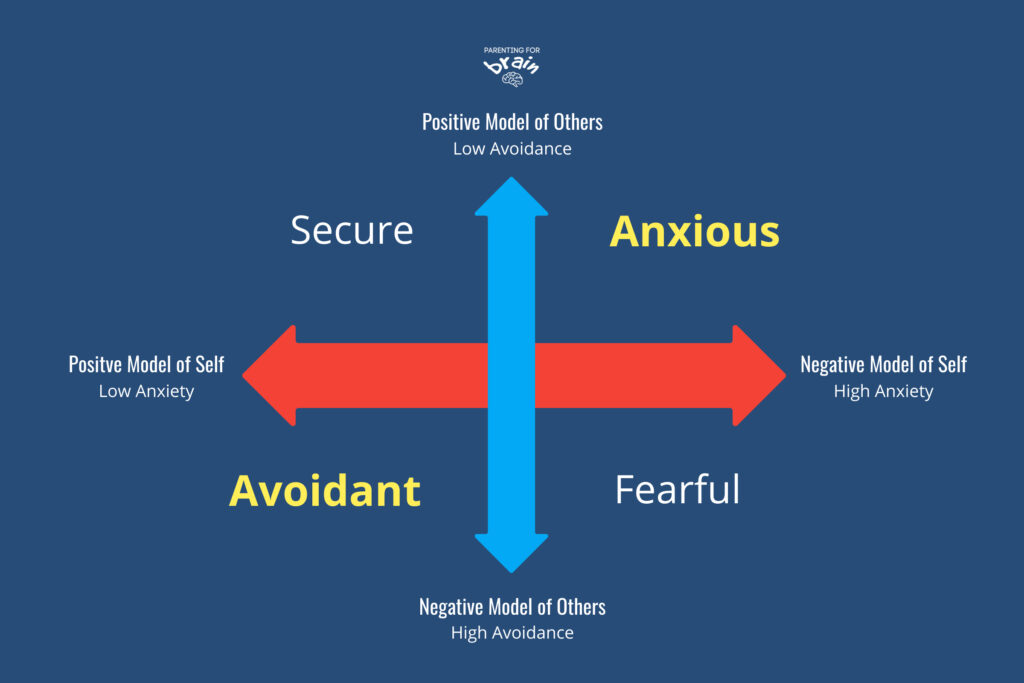
First, it’s necessary to briefly perceive avoidant attachment types. Our attachment techniques develop in infancy as a method to meet our wants. They dictate how we reply to our caregivers, and are formed in turn by how our caregivers reply to us. They experience more stress and are much less pleased and healthy than individuals who use active coping methods.
Environmental factors also play a major role in shaping our avoidant behaviors. Remember that time your older sibling scared you with a clown masks, and now you can’t even have a look at Ronald McDonald without breaking into a chilly sweat? Our experiences, especially throughout childhood, can shape our responses to sure situations. If we learn that avoiding something brings relief or prevents discomfort, our brains file that away as a helpful strategy.
As a half of this course of, Frithiof beneficial reassuring your youngster that they aren’t in bother. Often, teenagers utilizing cognitive avoidance will attempt to intellectualize an issue. Frithiof mentioned they might provide you with an intellectual reply to a query or cause for his or her actions instead of discussing the deeper downside. According to Frithiof, teens might try joking round, being sarcastic, or being sassy so they don’t have to talk about their emotions. So, if you try to have a critical conversation, they may brush it off or greet your efforts with sarcasm.
There isn’t any disgrace or guilt in asking for help or more information. Likewise, avoidance can even trigger symptoms of PTSD to worsen by prioritizing short-term options. Such experiences make it troublesome to process these traumas and tackle the results of PTSD. Professional therapy may be essential to cope with avoidance and different results of dissociation.
Another good idea is to remember to take small steps and never really feel you want to take care of every little thing at once. This can be a good time to make use of stress aid strategies corresponding to meditation, yoga, and train. It’s not that you’ll be avoiding a problem, but you’ll put yourself into a calmer state to take care of it.
Trauma, too, can depart its indelible mark on our capacity to connect with others. Whether it’s a single catastrophic occasion or a sequence of smaller betrayals, these experiences can instill a deep-seated fear of vulnerability. It’s like attempting to open a door that’s been locked for years – the key may be in your hand, however turning it feels impossibly daunting.
Avoidance coping is a typical psychological technique that people use to handle stress or uncomfortable feelings. It entails actively avoiding or distancing oneself from tense conditions, thoughts, or feelings. While it could provide temporary aid, avoidance coping may be detrimental in the long run and hinder personal growth and problem-solving skills. It may be onerous to live a full, satisfying life when you have avoidant personality dysfunction (AVPD). People with this disorder often have low vanity, get nervous once they should interact with others, and dislike drawing consideration to themselves. Overcoming any persona dysfunction is challenging, however it’s potential to retrain yourself to be much less avoidant on a day-to-day basis.
The extra the anxious associate chases closeness, the more the avoidant companion feels suffocated and pulls again. Julie is the creator of the best-selling e-book Secure Love, revealed by Simon and Schuster in January 2024. Julie also hosts a bi-weekly discussion group on relationship and self-help subjects.
When a person habitually avoids dealing with feelings or participating in emotionally charged dialogues, this pattern of relating is referred to as avoidant. Avoidant individuals avoid taking part in situations that they perceive as emotionally risky to themselves or others, although this conduct could create extra stress and relational difficulties. When it involves dealing with tough emotions or difficult situations, avoidance coping could appear to be a tempting strategy. However, this method can have detrimental results on our mental well-being and overall high quality of life.
By turning into a bit more conscious, and by taking these small, brave steps that line up with what actually matters to you, we will start to loosen avoidance’s grip and live a fuller, extra engaged life. This isn’t about throwing your self into the deep end when you can’t swim! Gradual publicity simply means dealing with your fears or discomforts in tiny, manageable steps. If big social occasions really feel like a nightmare, possibly step one is simply sending a textual content to a friend.
Someone with situational avoidance habits may refuse to experience an elevator, drive over a bridge, or stroll in a metropolis. Recognizing these indicators is normally a cause to contact professionals to discover avoidance behaviors and their effects. Sandstone Care can empower those avoiding difficult conditions to discover the causes of their avoidance and develop more healthy coping expertise. Exploring avoidance behaviors and understanding their unfavorable results on mental health can empower you or someone you love to develop coping methods.
Unfortunately, when the sensation of hysteria or ache is avoided, the connections to these triggers turn into strengthened by way of a process referred to as adverse reinforcement. To better perceive avoidance coping, let’s delve into its underlying mechanisms and effects. Many individuals resort to avoidance as a method of self-preservation. It may provide momentary relief from distressing ideas or feelings by diverting consideration away from the source of discomfort. When it involves dealing with troublesome emotions or challenging conditions, all of us have our personal methods of coping.
This can result in procrastination, missed opportunities, and unnecessary stress. Instead of taking dangers, we persuade ourselves it’s better to not strive in any respect, preventing potential disappointment but also blocking opportunities for growth. When you start allowing yourself to experience awkwardness, you’ll notice it’s not that bad and you can cope.
Here’s the place issues get really attention-grabbing (and by interesting, I mean potentially life-altering). Avoidant habits doesn’t simply affect the particular situations we’re avoiding – it has a sneaky means of seeping into each nook and cranny of our lives. Our social circles, cultural norms, and even societal pressures can affect our tendency to keep away from.
Avoidant deactivation occurs when an avoidant companion emotionally withdraws from the relationship. They might or could not keep contact, but they’ll normally return when they’re prepared. When someone ghosts, they cut contact with none clarification and don’t return. Ghosting isn’t all the time a direct result of avoidant deactivation. Finally, when avoidant companions had been initiating a break up, they typically used oblique communication strategies to finish the connection.
For instance, you’re nervous your youngster is on the autism spectrum however you set your head in the sand or just learn stuff on the web somewhat than seek a professional assessment. The Take Charge Collection of 15 free resources will help you to simplify, organize, and take cost of your life! Just a 20-second hug can launch oxytocin, serving to you are feeling nearer to your partner.
Not only does this kind of avoidance prevent a person from doing issues for others, but it can deny oneself helpful practices. Demand avoidance is the directed and intentional avoiding of anything perceived as demand. An particular person may use humor, addictive substances, or different distractions to avoid confronting tough thoughts. Cognitive avoidance, however, is the avoidance of adverse thoughts or recollections. Emotional avoidance could be shutting oneself off from emotional availability.
Remember that it’s wholesome to practice strategies that allow you to feel calmer as you face a difficult situation—even if the strategies don’t have an result on the state of affairs immediately. But in the long term, an avoidance coping response to stress tends to exacerbate anxiety quite than alleviate it. Finally, it’s important to have fun your progress and acknowledge the small wins along the finest way.
If you think you would possibly have signs of AvPD or another mental well being condition, it’s necessary to talk with a licensed psychological well being skilled who can present an assessment and talk about support choices. Certain character traits, such as excessive sensitivity, cautiousness, or a tendency toward anxiousness, could make people more more probably to keep away from unfamiliar conditions. These experiences can harm vanity, create emotions of unworthiness, and make it tougher to see others as secure or supportive. Implementing options like open communication, setting boundaries, and looking for professional help can promote therapeutic and development within the relationship. It is crucial to prioritize self-care and personal growth to take care of your personal well-being all through this process. Ultimately, the distinction between typical use of avoidance for coping and a mental health struggle is the severity of the behavior.
Avoidance is often a survival strategy that when served a purpose. Therapists use quite lots of approaches to help clients transfer via avoidance at their very own pace. Avoidant-attached individuals are triggered by conditions that threaten their sense of independence or that flood them with intense emotion. This creates a roller-coaster relationship of intense emotional highs adopted by long intervals of tension and unmet emotional needs. Couples regularly find yourself feeling caught, having the identical argument repeatedly, experiencing emotions of déjà vu throughout conflicts. The anxious companion might try to address points urgently, in search of immediate reassurance.
Task avoidance behaviors are behaviors that search to eschew personal obligations. Yes, avoidance behaviors are frequent amongst those dwelling with anxiousness. Avoidance behaviors can range from an unhealthy coping mechanism to a symptom of a bigger mental well being dysfunction. Confronting the sources of stress rather than utilizing avoidance conduct is important for your psychological well being. Using healthy and empowering emotional coping methods may help you to feel less threatened by stress and extra prepared to face it rather than feeling the need to escape from it. Stress aid strategies can also enhance your confidence and perception in your capacity to handle any challenges that you simply face.
This is the commonest kind of avoidance, says McKay in his guide. For example, in case your attention deficit hyperactivity dysfunction (ADHD) causes you to expertise test-related anxiety, you could avoid going to school on test days. Or if you expertise separation nervousness when away from your partner, you may keep away from hanging out with pals or going out alone. Behaviorally, avoidance can look like procrastination on steroids. You would possibly end up continually making excuses, canceling plans at the final minute, or growing an uncanny capability to change the topic every time sure subjects arise. We’ll unpack what is avoidance, take a glance at the different varieties of avoidance, chat about why we do it from an avoidance psychology angle, and crucially, consider the psychological hit it could take.
There is undoubtedly an avoidance cycle that has brought you to a halt. An avoidance cycle is very limiting as a result of it lurks beneath the surface. Most of the time, you would possibly be utterly unaware that this cycle is going down within your mind. Instead of pushing through discomfort with willpower alone, they discover methods to understand and handle their feelings in a extra sustainable means. While mother or father help is essential to a teen’s wellbeing, typically the best factor to do is to supplement it with counseling and therapies.
If you have tended towards avoidance coping most of your life or at least are in the behavior of utilizing it, it can be exhausting to know how to stop. Here are some ideas to hold in mind as you’re employed on shedding the behavior. Avoidance coping is most frequently seen in people who have a general nervousness dysfunction or who’ve an avoidant persona disorder. If you’re regarding some gadgets on this list, you may have an avoidant type.
By constantly dealing with fears and tackling obstacles, individuals can steadily build their resilience muscle. Each small victory contributes to elevated confidence and a stronger sense of self-efficacy. This perspective views challenges as alternatives for studying and enchancment quite than threats to be prevented. Establishing a consistent sleep schedule helps regulate emotions and enhances total resilience. Limiting caffeine and alcohol intake can even cut back anxiousness symptoms that contribute to avoidance. Doing so allows them to scale back conditions where stress or negativity can manifest.
In every instance above, the victims might inaccurately blame themselves for the mistreatment they endured. They could even imagine the lie that they deserve the therapy due to their very own broken self-images. Shame holds us down and retains us from dwelling the plentiful life that God intends for us. It’s how we reply to nervousness that determines its influence on our lives. Avoidance is a common and comprehensible part of the therapeutic course of.
If you’re concerned that your partner is utilizing avoidance as a method to affect the resolution of a problem, that’s important. They may or will not be doing it intentionally, but the end result’s a consequential disruption in healthy relational communication and functioning. Intentions aside, it’s important for any couple to be on equal footing and able to trust that their partner has the need to speak effectively and responsibly. Certainly, most of us will experience occasions in our relationship when we have particular difficulty expressing or communicating our feelings to our partner, or vice versa.
It’s like making an attempt to suppress ideas of that embarrassing thing you probably did in high school (we’ve all been there). You might distract yourself with infinite social media scrolling or convince your self that the issue doesn’t exist. It’s the mental equal of shoving every thing beneath the mattress and pretending your room is clean. Beyond Introvert and Extrovert Most people have heard of introverts and extroverts—two character sorts that…
Problem-solving skills are essential for addressing issues head-on quite than avoiding them. Breaking down advanced issues into smaller, manageable steps makes them much less overwhelming. Journaling can be an efficient approach to course of feelings and identify patterns of avoidance. Avoiding emotions can even result in emotional dysregulation, making it harder to process and handle emotions successfully.
Together, we will construct safe, loving relationships, one step at a time. Over time, these approaches can lead to deeper intimacy and a more balanced dynamic in your relationship. In the subsequent part, we’ll explore further instruments to strengthen communication and foster belief with avoidant companions.
It can be helpful just to have a collection of steps written down to have the ability to re-center your ideas when instinct tells you to avoid. Tacha Fletcher, a licensed clinical social employee from Rego Park, New York, suggests exploring ways to solve challenges as an alternative of making an attempt to escape them. To assist break free of this mindset, Gregg recommends focusing on how decisions will make you are feeling sooner or later. “Do one factor daily that scares you just a bit; one thing you’d usually avoid except you had to. When that gets simple, see should you can push your self just a bit more,” suggests Goodnight. Avoidance coping on the job may trigger counterproductive habits, such as social media utilization and lower performance, in accordance with a 2016 examine.
The speculation of attachment concept is that infants and younger kids be taught at a really early age the means to relate to their mother and father or caregivers. Individuals who have a tendency toward avoidance also usually have a need for routine and solitude. They might enjoy socializing, however emotional success just isn’t offered by social interactions. Many individuals with avoidant behavior really feel most at home when they’re in their routine, on their very own, and focusing on themselves as an alternative of others. And if somebody’s being rude to you, in the occasion that they’re abruptly being very flaky and non committal, you do not have to just stick that out. You haven’t got to simply be fine with that as a result of it’s part of their insecurity.
So, should you have been wondering what’s avoidance in simple phrases, you presumably can give it some thought as a strategy to dodge discomfort. The avoidantly hooked up individual has their deactivating strategies, which are basically within the other course. So when an avoidant particular person starts to deactivate, it is not a sign that they’ve misplaced curiosity, or that they do not have feelings for you anymore, or that you have got accomplished one thing wrong. It’s only a sign that their system is perceiving some type of risk or danger related to the attachment, related to that intimacy, associated to the vulnerability. They would possibly feel like they are not fascinated in the relationship.
Stopping the chase signifies a shift in focus in direction of establishing more healthy, extra balanced relationships. It doesn’t mean giving up on love but somewhat guaranteeing that one’s emotional needs are met in a respectful and loving method, with out relentless pursuit. Recognizing the cycle of pursuing someone emotionally unavailable can really feel like a revelation. You’ve most likely experienced the highs of closeness followed by the inevitable withdrawal that leaves you confused and harm. Examples abound in in style culture, from Ross and Rachel’s on-again, off-again saga in “Friends” to the more dramatic off-screen romances in superstar news. For occasion, instead of claiming, “You by no means spend time with me!
In scientific psychology, avoidant coping methods are classed as maladaptive, or unhealthy coping methods. That is as a outcome of typically, these usually are not efficient coping methods. Typically, avoidance will merely defer and then improve nervousness. Healthy coping strategies will construct resilience as nicely as handle stress within the second.
In order to maintain a way of safety, infants whose needs aren’t met be taught to downplay, or deactivate, their attachment techniques. In other words, they cope with their lack of attention by disconnecting emotionally from their caregivers and studying to ignore their troublesome feelings of uncertainty and rejection. The line between avoidant deactivation behaviors and genuine relationship disengagement (also known as avoidant discard) is a thin one.
I like using journaling, utilizing the writing as a mindfulness apply. Practice being weak with the small issues, as they will be more approachable and less uncomfortable. You can then work your way up to the bigger or extra charged emotions. The time period avoidant comes from the Attachment Theory, a theory initially put forth by a British psychologist names John Bowlby.
Emotional disconnection is perhaps essentially the most immediate and noticeable impact. It’s like trying to have a heartfelt dialog through a thick pane of glass – you can see one another, however the heat and intimacy are misplaced in translation. This lack of emotional closeness can leave companions feeling lonely, even when they’re bodily collectively.
This may contain having a tough dialog with a friend, submitting a piece project on time, or engaging in a model new exercise that pushes you barely out of your comfort zone. Avoidance can even contribute to the event of melancholy. When we keep away from coping with our emotions or addressing the underlying causes of our misery, we deprive ourselves of the opportunity to process and transfer by way of these emotions.
Once you’ve acknowledged you’re in a moment the place you’d choose avoidance, you’ll have the ability to actively take a small step towards — rather than away from — what’s making you uncomfortable. If you wanna go deeper on all issues attachment, love, and relationships, yow will discover me on Instagram @stephanie__rigg or at stephanierigg.com. And if you enjoyed this episode, I’d be so grateful should you may go away a evaluation and a 5 star ranking. Thanks again for being here, and I hope to see you once more quickly. So that, of course, brings me to how to approach being on the receiving finish of all of this. And as all the time, I suppose it’s essential to differentiate between completely different levels of commitment.
The push-pull sample of intimacy followed by withdrawal exacerbates misunderstandings and leaves each companions feeling disconnected. For their partners, these behaviors can feel dismissive or rejecting. The emotional hole left by avoidance usually results in assumptions like, “They don’t care,” or “I must have accomplished one thing mistaken,” which additional fuels frustration and miscommunication. You see, avoidant attachment usually manifests as minimal or surface-level communication, avoiding emotional matters, and relying heavily on subtext quite than direct expression. Once you perceive these dynamics, you’ll see that effective communication with avoidant people begins with respecting their want for autonomy and creating a secure area for connection. Instead of pressuring avoidant companions for vulnerability, the secret is to foster a sense of emotional safety.
This can involve messaging, calling, or writing, or even changing their on-line profile’s relationship status (this was the be-all-end-all in 2012, when the research was conducted), or blocking their partner. Withdrawal is a cornerstone of deactivation, so it shouldn’t come as a surprise when somebody with an avoidant attachment style pulls away. However, in the occasion that they pull away more than ordinary, they may be disengaging for good.
They may also achieve this while smiling and enjoying it all the whereas. Sometimes they don’t want to work, generally it feels too exhausting, typically they haven’t slept, or they’re hungry, or they’re antsy. While we’d choose them to not ask at all, the fact is that our college students will doubtless discover a way to get a break or escape a task if they need to. The data on this post is for psychoeducational purposes and is not an different alternative to the professional recommendation provided by your licensed psychological health supplier. Autistic youth face larger psychological health hospitalizations, highlighting the necessity for early autism-informed care to prevent crises. The antecedent manipulations described above are meant to enhance the reinforcing worth of the surroundings.
If you learn to calm your physique’s stress response when you are confused, you’ll be much less reactive and more empowered to be proactive when faced with conflict. Some forms of passive coping, nevertheless, usually are not maladaptive and are literally wholesome. These healthier types of coping don’t necessarily strategy the issue immediately however they do affect our response to the problem.
Excessive use of distractions like social media, TV, or video video games can point out avoidance of duties or feelings. Physical discomfort or well being issues sometimes end in avoidance of medical appointments or necessary treatments. Perfectionism can trigger avoidance of tasks the place failure appears possible. A mixture of skilled therapy, cognitive-behavioral therapy, psychotherapy, and self-care is important for an efficient and complete healing journey. Emotional avoidance occurs when a person makes an attempt to minimize the emotional results of previous traumas and difficult ideas and memories. Avoidance behaviors can be so ingrained that a person may not recognize all of the types that avoidance can take.
Surrounding your self with a network of understanding and empathetic people can present a sense of neighborhood, validation, and accountability. These supportive relationships can serve as a buffer in opposition to the temptation to retreat into avoidance and can supply valuable views and insights. Our clients come to us for mental health therapy and dependancy treatment. They don’t seek out assist as a result of they’re working towards negative coping expertise.
If you’re struggling to open up in therapy or undecided where to start, the Mental Health Hotline is a free, confidential useful resource that will assist you discover assist that fits your wants. Avoidance might have protected you in the past, but it doesn’t should run the present forever. Therapy is a place to softly face what you’ve been avoiding at your individual pace with someone walking beside you.
It’s a self-protective technique an individual makes use of to avoid getting damage once more. However, when this avoidance conduct is used for lengthy periods, or if it develops right into a sample, it might possibly trigger decay in relationships. Therapists be taught to acknowledge avoidance in therapy, and it’s incredibly frequent.
If you expertise relationship nervousness, you might keep away from wholesome behaviors corresponding to being trustworthy with your associate or refusing to do something which may jeopardize your relationship. In the end, overcoming avoidant conduct is about more than just dealing with fears – it’s about embracing life in all its messy, unpredictable glory. It’s about saying “yes” to experiences, connections, and growth opportunities that avoidance might need saved at bay. If you’re in a relationship with someone who exhibits avoidant conduct, you might feel like you’re attempting to hug a porcupine – prickly and probably painful. But with endurance and understanding, it’s attainable to create a more secure and fulfilling partnership. Developing a safer attachment type typically requires professional assist.
Life had turn into a relentless wrestle and avoidance behaviors have been sabotaging his life. Living with avoidant attachment will get increasingly more troublesome when individuals get nearer and closer to their family members. Whether in romantic relationships, households, or friendships, avoidant attachment can develop for a quantity of causes.
Avoidant people, like anyone, want love, understanding, and security. Feeling confident and related in relationships just isn’t only possible however possible when each companions are able to take action on proven options. Communicating with an avoidant companion requires understanding their want for independence and emotional safety. Traditional approaches to emotional conversations usually backfire, as avoidants could feel pressured or obligated to address feelings in ways that set off their defenses. By utilizing gentle strategies, you can create a secure environment for open communication.
Revisit and adjust boundaries as necessary to make sure they continue to be fair, which may result in a win-win scenario for both companions. However, going no contact shouldn’t be used as a behavioural check. Many individuals use it to see what their associate will do, or as a type of “payback” for the dearth of attention they might feel from their associate. While going no contact can have other advantages, testing your associate shouldn’t be one of them.